Why Limits Vary Between Provinces
Bag limits and size restrictions are set based on local population assessments, historical harvest data, and management objectives that differ between jurisdictions. A species that supports a robust harvest in one province may be under strict catch-and-release protection in another due to regional population dynamics, habitat quality, or historical overfishing.
Walleye, for example, carry daily bag limits of up to 6 fish per day in some Ontario zones under a sport licence, while certain Manitoba lakes have limits as low as 2 or 3 per day on waters with documented stock declines. The same species, different regulatory treatment — driven by local biology rather than arbitrary policy.
Terminology note: A daily bag limit is the maximum number of fish of a given species an angler may take in a single day. A possession limit is the maximum number that may be kept at any time (including in freezers at home or at a lodge) — typically a multiple of the daily bag limit. A minimum size is the shortest total length, measured from tip of closed mouth to tail fork, at which a fish may legally be retained.
Walleye (Pickerel)
Walleye (Sander vitreus) — called pickerel colloquially in eastern Canada — is one of the most widely regulated freshwater species in the country. It is subject to some of the most location-specific rule sets of any species, reflecting its economic importance and sensitivity to fishing pressure.

Walleye (Sander vitreus) — one of Canada's most widely regulated freshwater fish.
| Province | General Daily Bag Limit | Minimum Size | Notes |
|---|---|---|---|
| Ontario (Sport) | 6 | None (most zones) | Spring closed season; zone-specific limits apply |
| Ontario (Conservation) | 4 | None (most zones) | Lower possession limit |
| Manitoba | 4 (varies by zone) | 38 cm on many waters | Slot limits common on managed lakes |
| Saskatchewan | 4–6 (zone dependent) | 38–40 cm on listed waters | Slot limits on many northern waters |
| Alberta | 5 (most zones) | 35–38 cm on listed waters | Catch-and-release only on some rivers |
Northern Pike
Northern pike (Esox lucius) are native to an enormous range across Canada and are generally subject to more permissive limits than walleye in most provinces, though this varies considerably by water and management zone.

Northern pike (Esox lucius) — widely distributed across Canadian provinces from BC's Peace Region to the Maritime interior.
Slot limits for pike — requiring the release of fish within a specified size range — are increasingly common on southern Ontario and Manitoba lakes where trophy-size fish have diminished. A typical slot might require releasing all pike between 75 cm and 90 cm, protecting the most reproductively valuable size class while allowing anglers to keep smaller and very large fish.
| Province | General Daily Bag Limit | Minimum Size / Slot | Notes |
|---|---|---|---|
| Ontario (Sport) | 6 | None (general); slot on listed waters | Slot limits listed in annual summary by water |
| Manitoba | 4–6 (zone dependent) | None general; 55 cm minimum on some waters | Slot limits on Trophy fisheries |
| Saskatchewan | 6 (most zones) | 50 cm on some listed waters | Reduced limits in northern zones |
| BC (Peace Region) | 5 (native waters) | None listed on most waters | No bag limit on invasive-range waters |
Lake Trout
Lake trout (Salvelinus namaycush) are among the most conservatively managed freshwater species in Canada, reflecting slow growth rates and sensitivity to overfishing. A lake trout takes many years to reach reproductive maturity, and populations recover slowly once depleted.

Lake trout (Salvelinus namaycush) — among the most carefully regulated species in Canadian freshwater fisheries.
| Province/Territory | General Daily Bag Limit | Minimum Size | Notes |
|---|---|---|---|
| Ontario | 2–5 (zone dependent) | None on most waters; 40–46 cm on listed waters | Many southern lakes are catch-and-release only |
| BC (Region 7–8) | 2 (most waters) | 50 cm (many waters) | Listed as lake char in some contexts |
| Alberta | 1–3 (zone dependent) | 50 cm on mountain lakes | Catch-and-release on many Rockies lakes |
| NWT/Nunavut | 5–10 (zone dependent) | None on most waters | Remote outpost fisheries; federal co-management |
Smallmouth and Largemouth Bass
Bass are among the most carefully season-managed species in eastern Canada, particularly in Ontario and Quebec, because of their nest-guarding behaviour. During spawning, male bass actively defend nests in shallow, warm water — making them highly vulnerable to angling. Province-wide spring closures are designed specifically to protect this period.
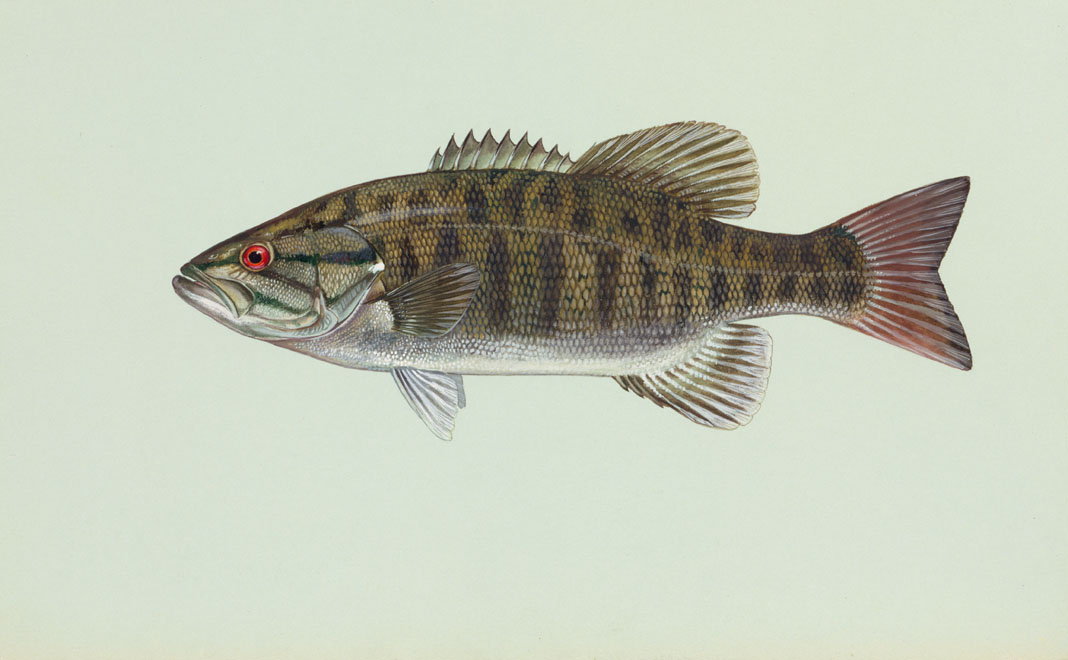
Smallmouth bass (Micropterus dolomieu) — closed season in Ontario protects nesting males in late spring.
| Province | Open Season (General) | Daily Bag Limit | Minimum Size |
|---|---|---|---|
| Ontario (Sport, southern zones) | Late June to late November | 6 combined | None (most waters) |
| Quebec | Late June to late November (Zone C–D) | 6 combined | 28–30 cm on listed waters |
| BC (Okanagan) | Open year-round (no native species status) | No provincial limit on most waters | None listed |
Yellow Perch and Other Panfish
Yellow perch (Perca flavescens) are among the least restricted freshwater species in most provinces, with daily limits of 50 or more fish in many zones. They are valued as a food fish and face moderate fishing pressure across their range.

Yellow perch (Perca flavescens) — highly permissive limits in most provinces reflect their abundance and resilience.
Muskellunge (Esox masquinongy), in contrast, carry some of the most restrictive limits of any Ontario freshwater species — often 1 fish per day and one in possession on most regulated waters — reflecting their slow growth, low reproductive rate, and trophy status.
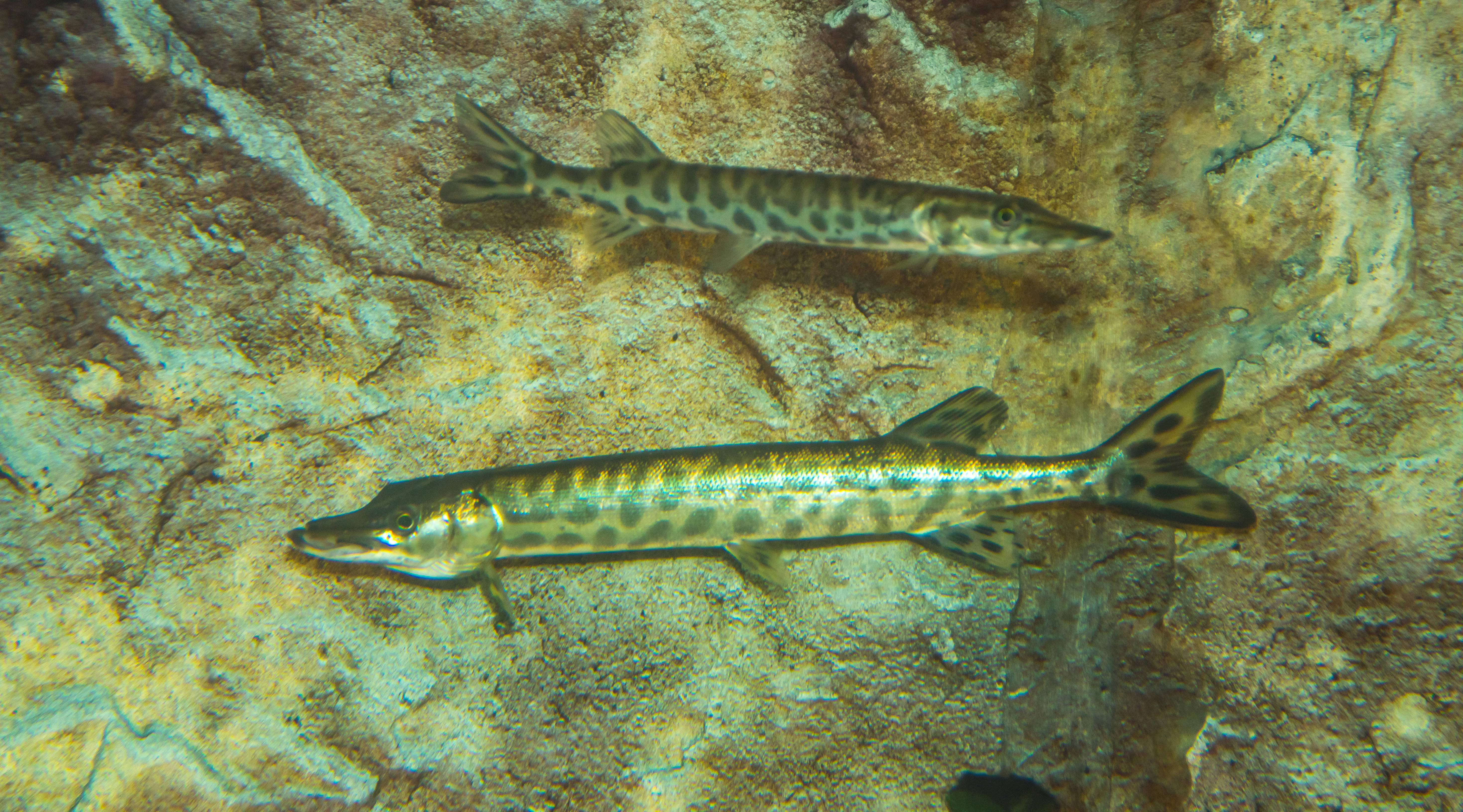
Muskellunge (Esox masquinongy) — strictly managed across Ontario and Quebec due to slow reproduction and trophy status.
Ice Fishing: Regulations Apply Year-Round
All provincial regulations — bag limits, size restrictions, licence requirements — apply equally during ice fishing as during open-water seasons. Where a summer closed season exists for a species, that species is closed for ice fishing as well unless the regulation summary specifically states otherwise.
In practice, some species like yellow perch and lake whitefish are more commonly targeted through the ice, and their limits and seasons are structured accordingly. Some Ontario and Manitoba zones have specific ice season dates distinct from open-water seasons for species such as walleye in controlled trophy fisheries.
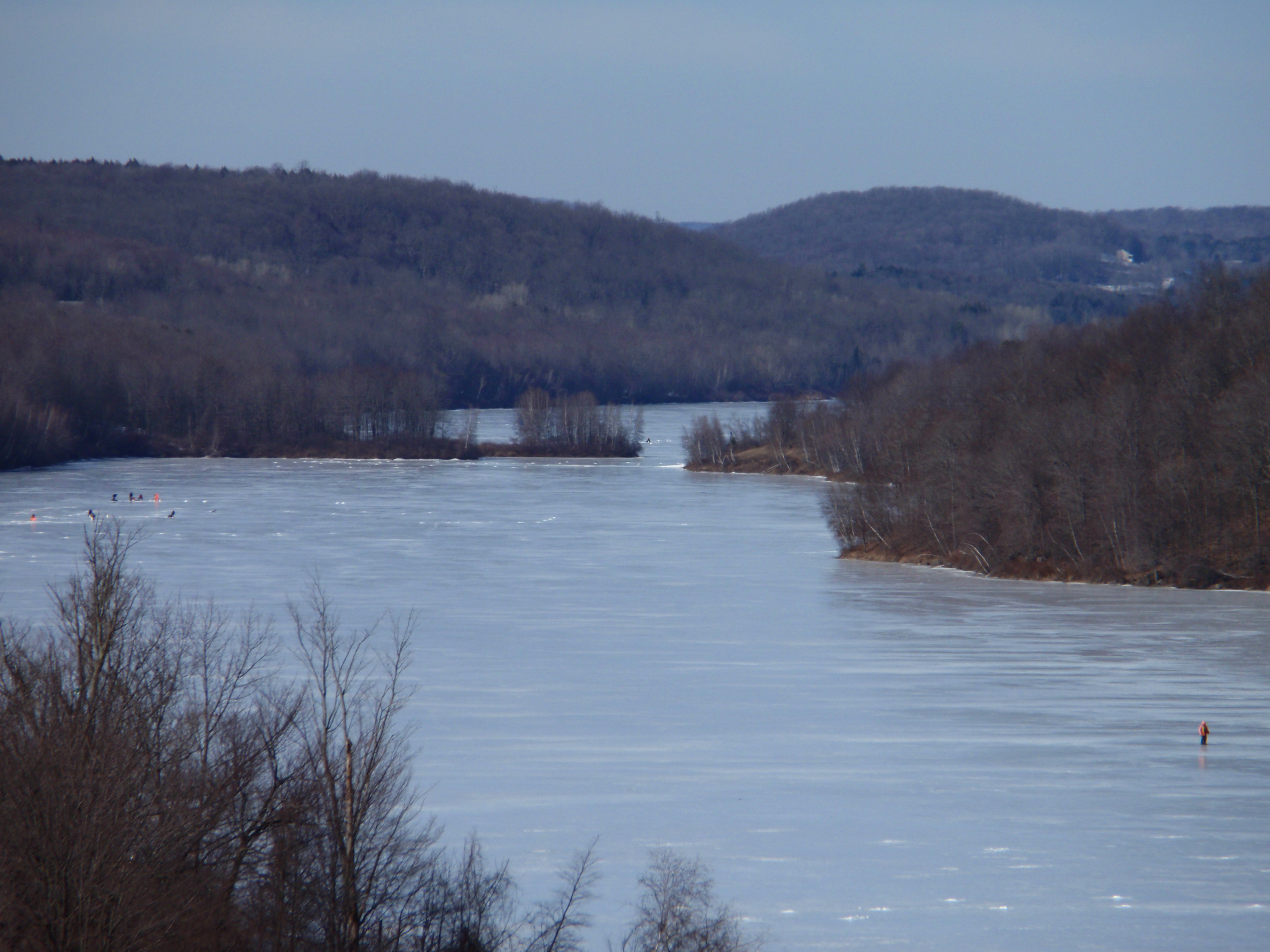
Ice fishing — the same provincial bag limits and licence requirements apply during winter as during open-water season.
Note: All data in this article reflects publicly available provincial regulations for 2024–2025 seasons. Specific water limits, slot sizes, and season dates change annually. Always confirm current rules through the official provincial fisheries authority before fishing.