Who Needs a Licence
In Ontario, any person aged 18 or older who fishes in provincial waters must hold a valid Ontario fishing licence, unless they qualify for a specific exemption. Persons under 18 may fish without a licence. Individuals 65 and older who have been Ontario residents for at least 12 months are also exempt from the licensing requirement.
First Nations individuals exercising constitutionally protected harvesting rights do not require a provincial licence. Conservation officers may ask to see a licence at any time, including on the water, at a boat launch, or during a vehicle stop.
Key point: The exemption for anglers under 18 applies only to residents. Non-resident anglers under 18 are generally not required to hold a licence in Ontario, but should verify current rules through the Ontario MNRF website, as age-based rules may be updated annually.
Licence Categories
Ontario offers two primary licence types based on activity level:
Sport Fishing Licence
The sport licence permits anglers to retain higher daily bag limits across most species. For example, walleye limits under a sport licence are generally higher than those under a conservation licence on the same water. The sport licence is the most common choice for recreational anglers who plan to keep fish for personal consumption.
Conservation Fishing Licence
The conservation licence carries reduced daily bag and possession limits compared to the sport licence. It costs less than the sport version and is designed for anglers who prefer to minimize their harvest, or for areas where conservation pressure warrants lower takes. On some waters designated as conservation zones, only the conservation licence limits apply regardless of which licence you hold.

Walleye (Sander vitreus) — one of Ontario's most targeted freshwater species, subject to seasonal closures and bag limits.
Resident vs. Non-Resident
Ontario distinguishes between resident and non-resident anglers for licence pricing and, in some cases, different bag limits on specific species.
To qualify as a resident for fishing licence purposes, a person must have been domiciled in Ontario for at least 6 consecutive months immediately preceding the date of licence purchase. Canadian citizens or permanent residents temporarily residing in another province do not qualify as Ontario residents for this purpose.
Non-residents include both other Canadian residents and foreign nationals. Non-resident licences are available in annual or short-duration formats (typically 1-day, 3-day, 8-day options depending on current availability).
Fee Structure
The following fee ranges reflect publicly available provincial pricing for the 2024–2025 licence year. Fees are subject to change; verify current amounts at ontario.ca before purchasing.
| Licence Type | Resident | Non-Resident (Canadian) | Non-Resident (Foreign) |
|---|---|---|---|
| Annual Sport | ~$26.57 | ~$53.26 | ~$53.26 |
| Annual Conservation | ~$19.17 | ~$33.91 | ~$33.91 |
| 8-Day Sport | N/A | ~$37.38 | ~$37.38 |
| 1-Day Sport | ~$13.34 | ~$19.17 | ~$19.17 |
Key Species: Seasons and Limits
Ontario's annual fishing regulations summary provides species-specific rules organized by fisheries management zone (FMZ). The province is divided into 20 FMZs, and season dates and limits can vary considerably between zones.
Walleye and Sauger
Walleye (Sander vitreus) is one of Ontario's most sought-after freshwater species. A spring closed season typically runs from early May through mid-to-late May in most southern zones to protect spawning fish. In many northern zones, open seasons begin earlier or follow different dates. Sport licence holders in most zones may keep up to 6 walleye per day (daily bag limit), while conservation licences allow 4.
Northern Pike
Northern pike (Esox lucius) are open for most of the calendar year in many Ontario zones, though some waters have spring closures or slot limits. A slot limit — for example, requiring the release of pike between 45 cm and 75 cm — is common on waters under management pressure to protect larger, older fish.
Lake Trout
Lake trout (Salvelinus namaycush) seasons are tightly managed in Ontario. Many southern zones have shortened seasons or reduced bag limits compared to northern waters. Some lakes are designated Lake Trout lakes with catch-and-release only status for that species.
Largemouth and Smallmouth Bass
Bass seasons in Ontario include a provincial closed season running through late June in most southern zones, protecting spawning fish when they are on beds and highly vulnerable to angling pressure. After season opening, daily limits are typically 6 combined (largemouth and smallmouth) under a sport licence.
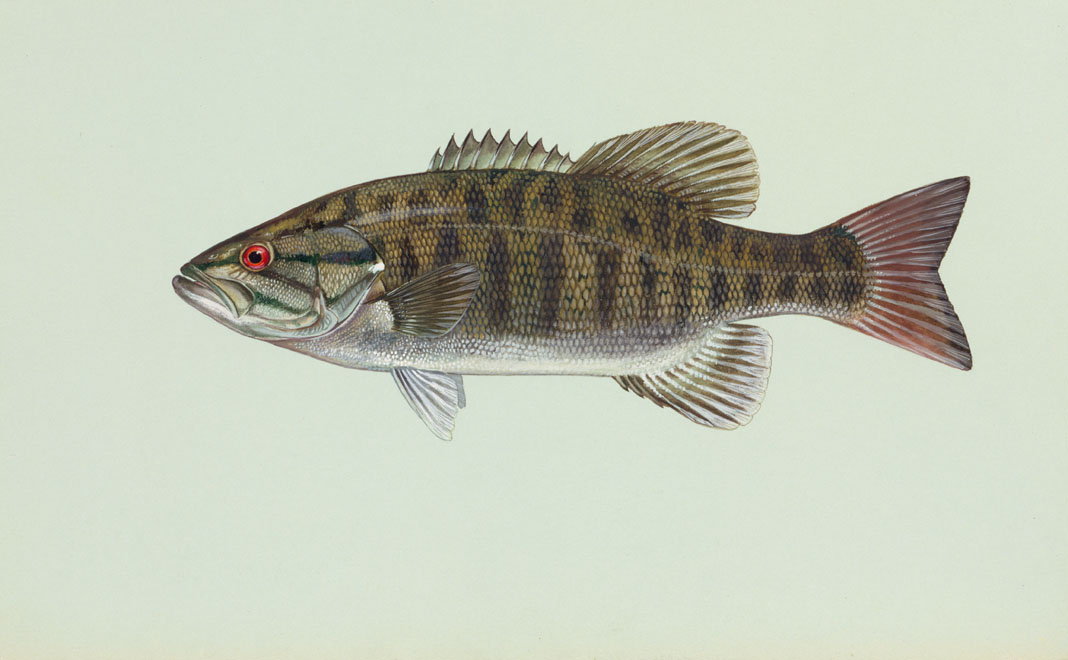
Smallmouth bass — subject to Ontario's spring closed season that protects fish during nesting.
Where to Purchase
Ontario fishing licences can be obtained through several channels:
- Online: Through the Ontario government's ServiceOntario portal at ontario.ca/fishing
- Authorized licence issuers: Hardware stores, bait shops, marinas, and sporting goods retailers carrying the provincial licence issuer designation
- ServiceOntario centres: In-person purchase at select locations
When fishing, anglers must carry proof of a valid licence. The paper licence or a digital copy displayed on a phone is acceptable, provided it is legible and shows the licence number, name, and validity period.
Special Regulation Waters
Beyond province-wide defaults, thousands of Ontario lakes and rivers carry additional rules listed in the annual regulations summary. These include:
- Catch-and-release only designations for specific species on specific waters
- Artificial lure restrictions in designated streams
- Reduced bag limits on interior park lakes
- Specific size windows (slot limits) that protect mid-range fish
The MNRF regulations summary is the definitive reference. It is published each spring at ontario.ca and is also available in print at licence issuer locations.
Note: Regulations change each year. The information above reflects publicly documented rules for 2024–2025. Confirm the current season's rules before fishing.